#1 - Hello World!
Welcome
Welcome to our first blog post on this website. In this edition, we will discuss what you can expect to read from us every week, who we are, and what we are doing.
Studio Cellier is a small, independent video game studio comprised of only two people: Janie Poulin, our fantastic artist with magic hands, and me your dear writer of the moment, Daryl Barampanze. We started this studio in 2025 with the hope of creating unique and entertaining games that you will all be able to enjoy.
Our first game, Make A Pair (temporary name at this point), is a concentration game focused on deduction, memory, and tactics. We plan to release it in 2026, with a demo planned for June of this year! Stay tuned for more by joining our Discord.

Each week, we plan to keep you up to date on what we worked on, what is coming next, and what we failed at. Of course, it will not always be progress, but we will try to show you at least one cool thing every week. This also keeps us accountable by pushing ourselves to publish at least one blog post per week.
You can also expect, from time to time, some technical deep dives from either the art side or the programming side, depending on what has been done. If we can’t show you anything that week, at least you will still get some information about our processes, cool technology pipeline, and other tidbits from our game development journey.
Without further ado, let’s jump right into what we did this week.
Make A Pair
Make A Pair is a simple concentration game where the goal is, quite simply, to make pairs of cards! I know, a totally crazy concept with that name. What started as a simple game is quickly becoming something more… interesting! Each card in Make A Pair has unique properties that either help you or prevent you from forming a pair.
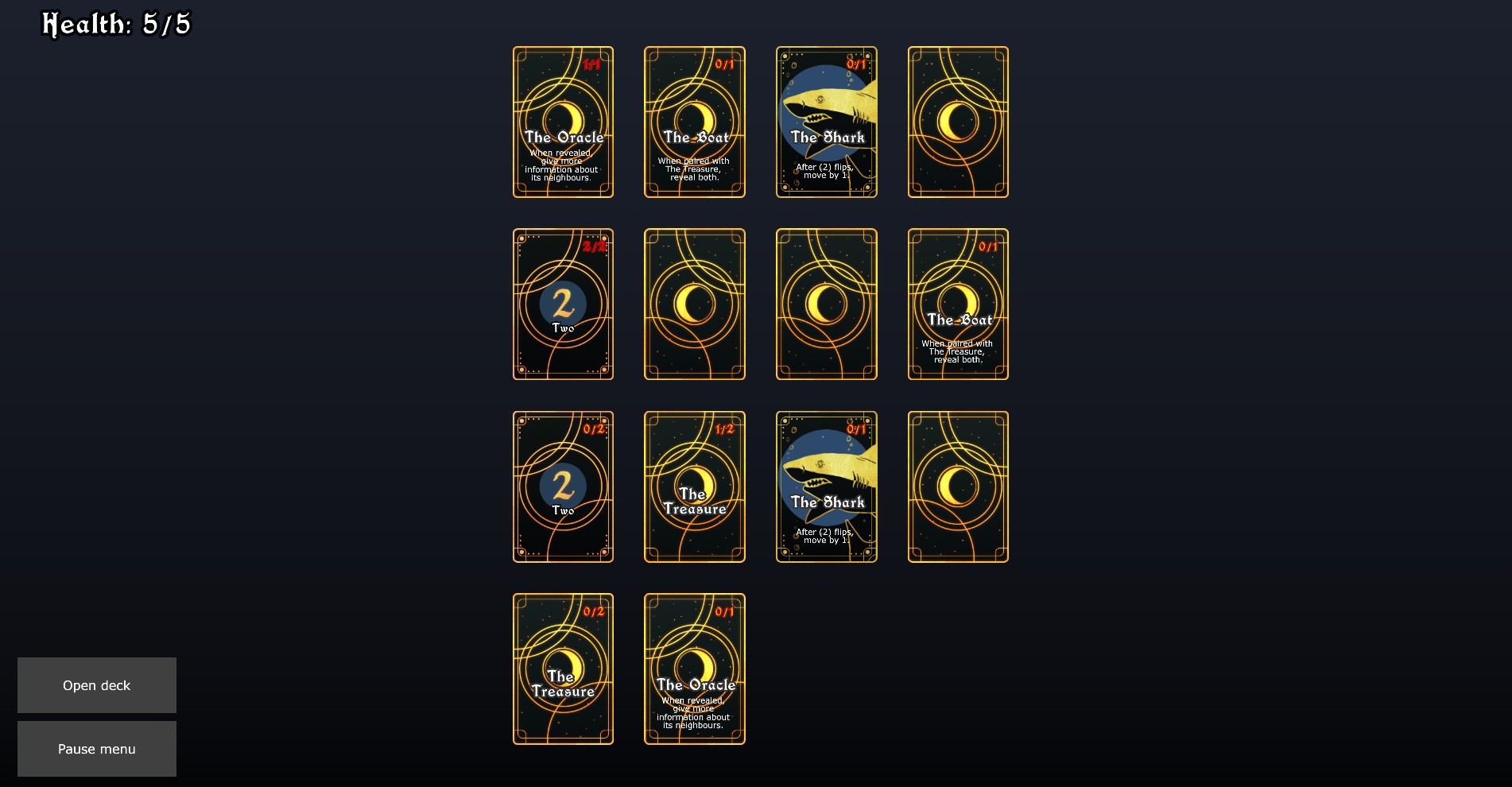 Do not mind the debug menus — they will all be changed before release.
The first card we introduced to validate our idea was The Shark, which has one unique role: disrupting your concentration. After two flips, it will randomly move by one tile to a valid spot.
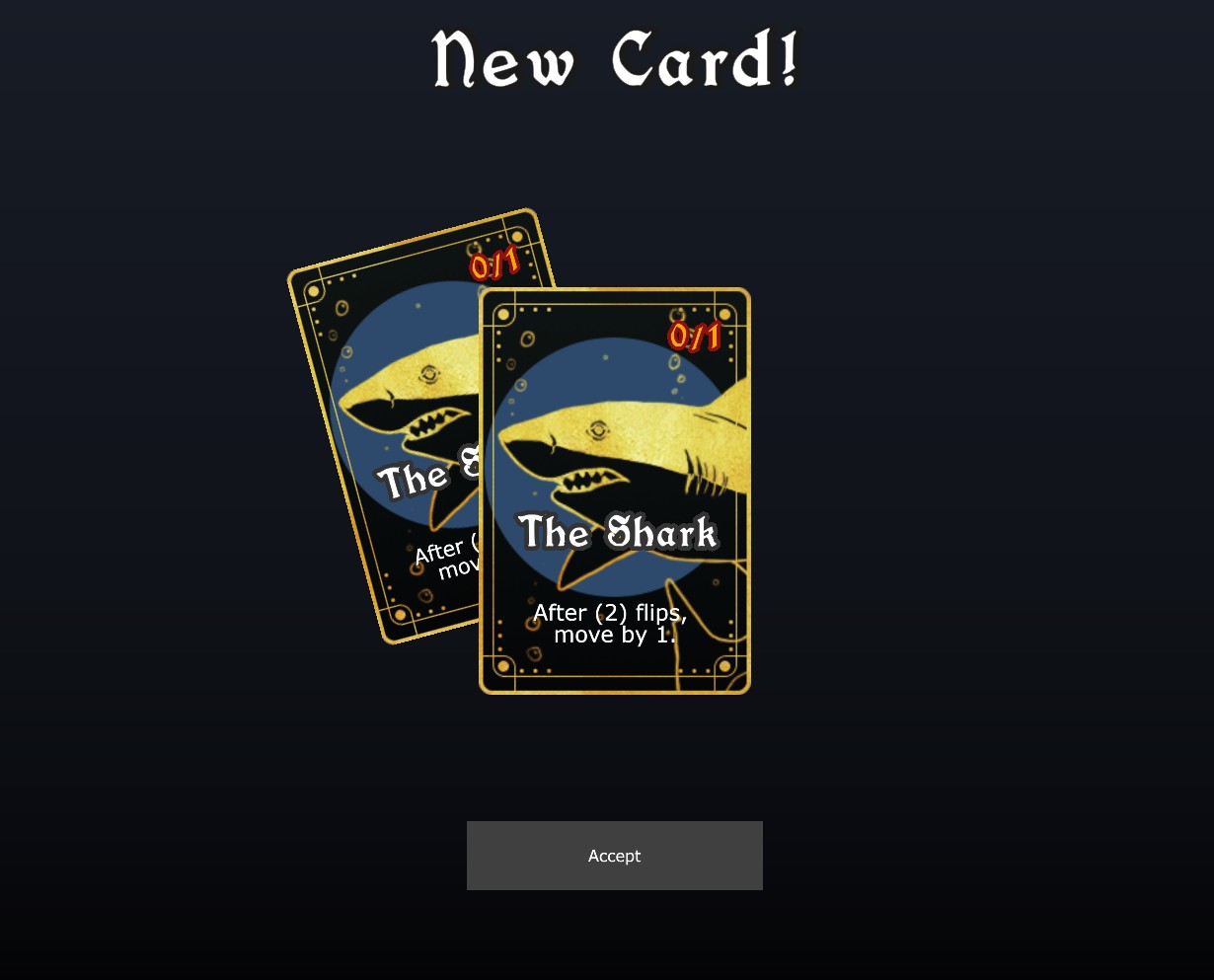
This simple change made the game more complex by forcing you to remember not just cards, but also their potential movement. Once you reveal The Shark and its pair, they will stop moving.
You might have noticed that each card has a number in the top-right corner. This represents the card’s patience. If you go beyond this patience level, the card will slap you, causing you to lose one health point.
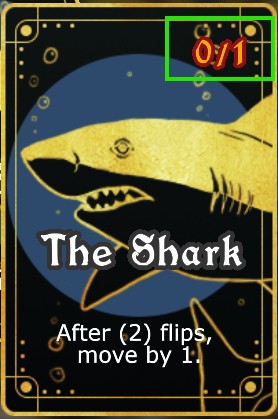
This mechanic is interesting for two reasons. First, card exploration should be consequence-free at the start, since you don’t yet know where each card is. Second, it punishes you if you forget that you have already flipped a card, preventing you from using the same card to explore endlessly.
Some cards have more patience than others. This awesome fellow, just below, will let you look at him a little longer than The Shark.
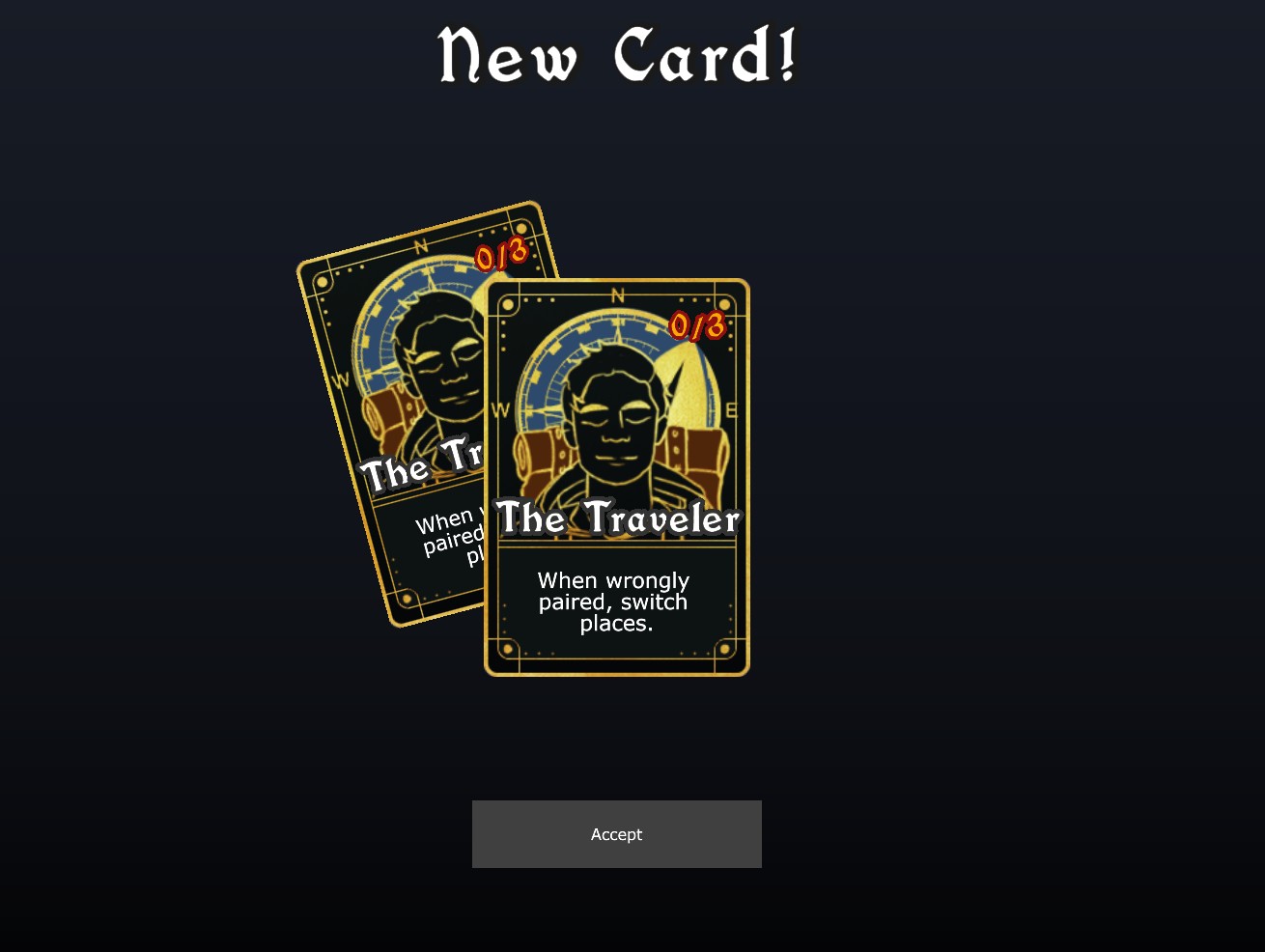
But of course, you can’t have only cards that mess with you. Otherwise, the game would not be very fun. We want Make A Pair to be much more about deduction than pure memory. That’s why most cards will help you during your exploration.
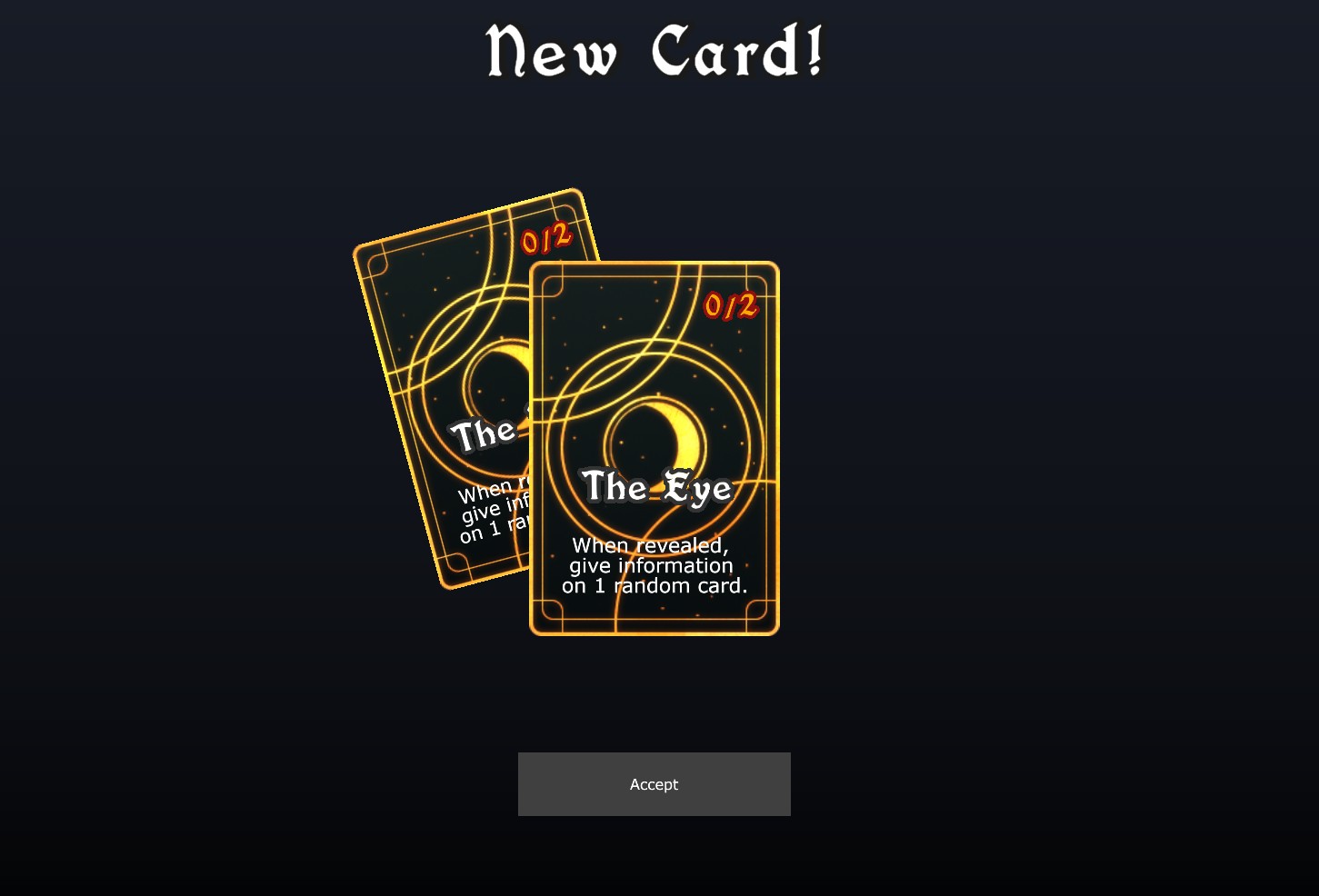 That eye... seems mysterious.
The Eye is one of the helpful cards. Once paired, it provides you with more information about the other cards, letting you know exactly what a given card is. We plan to add more cards like this: cards that help you obtain total or partial information as you progress and add more cards to your deck.
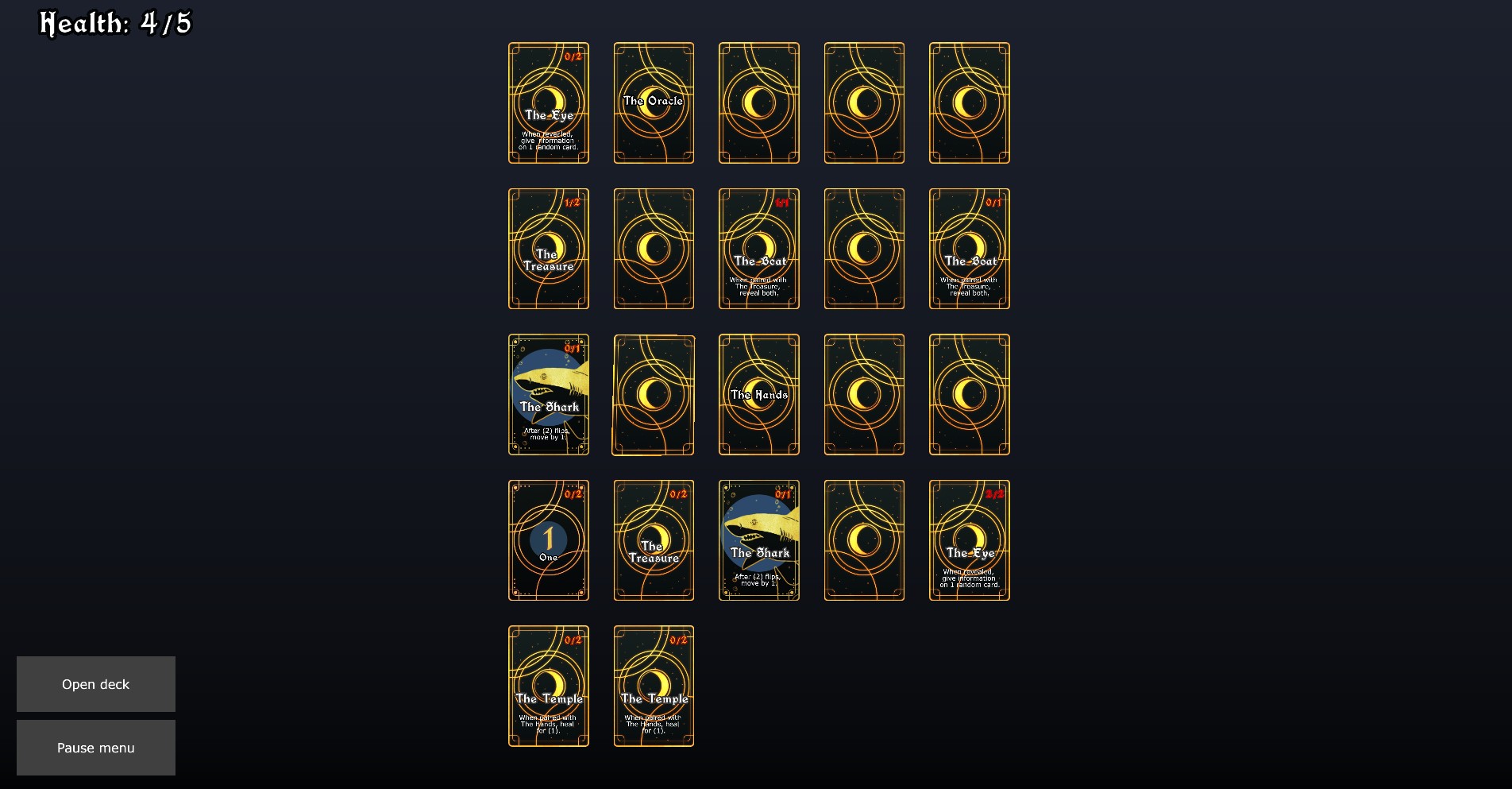 We have so much more to discuss in the coming weeks!
Next week, we’re planning our first external playtest with friends and family to gather reactions, feedback, and first impressions. The next blog post will probably be all about it, so do not miss it!